
New Pup on the Block
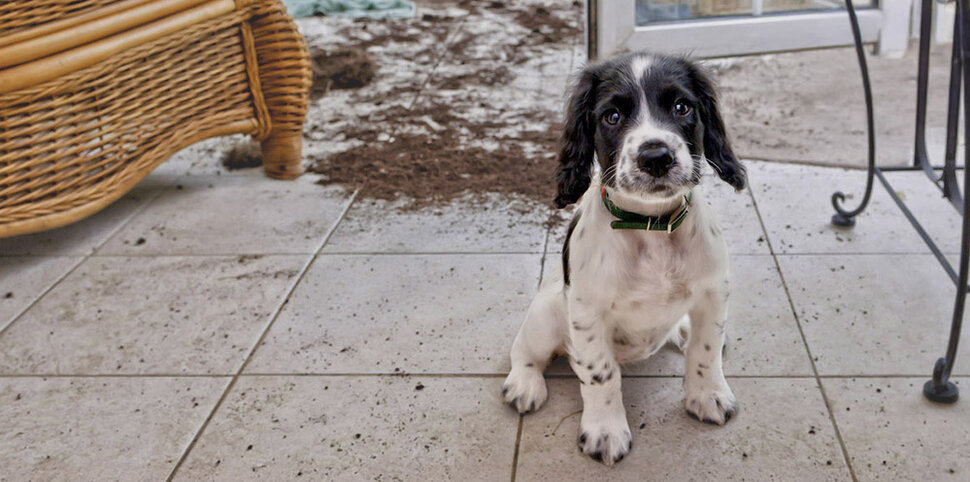
Your Survival Guide to Those First Fuzzy Months
Congratulations! You're officially a puppy parent! Whether your new furry friend arrived as a holiday surprise or you've been planning this moment for months, one question is probably running through your mind: now what?
Those first weeks with a puppy are exciting, exhausting, and full of learning curves (for both of you!). But don't worry, we've got your back. Here are three tried-and-true tips from our team at Fetch to help you and your new pup get off to the best possible start.
1. Routine Is Your New Best Friend
Puppies thrive on predictability, it's like their superpower. A consistent daily schedule helps your little one feel secure and makes potty training so much easier. Set regular times for:
- Meals: Feed your puppy at the same times each day. Most young puppies do well with three meals daily, transitioning to twice daily as they grow.
- Potty breaks: Take your pup out first thing in the morning, after meals, after playtime, and before bed. Puppies have tiny bladders, so frequent trips outside are key!
- Bedtime: A predictable wind-down routine helps your puppy learn when it's time to settle in for the night.
The more consistent you are, the faster your puppy will learn what to expect—and the fewer accidents you'll find on the carpet!
2. Crate Expectations (They're Great, Actually)
We know what you're thinking: 'But the crate seems so sad!' Actually, when introduced properly, a crate becomes your puppy's safe haven—their very own cozy den. Crate training provides:
- Safety when you're away: Puppies are curious (and mischievous!). A crate keeps them safe from household hazards like electrical cords, toxic plants, or that chocolate bar on the counter.
- Potty training support: Dogs naturally avoid soiling their sleeping area, so a properly sized crate encourages bladder control.
- Emergency preparedness: If you ever need to evacuate or your pup needs to stay at the vet, a crate-trained dog handles the stress much better.
- Peace of mind: Knowing your puppy is safe and comfortable gives you one less thing to worry about.
Make the crate a positive place with treats, a comfy bed, and lots of praise. Before long, your pup will head there on their own for naptime!
3. Train Early, Wag Often
Here's a secret many new puppy parents don't realize: your puppy is never too young to start learning. Even in those first days home, you can begin training in short 10-15 minute sessions. Start with the basics:
- Name recognition: Say your puppy's name and reward them when they look at you. This builds the foundation for all future training.
- Potty training basics: Celebrate every successful outdoor potty break with praise and treats.
- Appropriate chewing: Redirect those sharp little teeth from your shoes to appropriate chew toys.
- Crate comfort: Make entering the crate a positive experience with treats and calm praise.
Did you know puppies can start formal training classes as early as 8 weeks old? Our Puppy Fundamentals course at Fetch is specifically designed for pups aged 8 weeks to 6 months. In a fun, social environment, your puppy will learn essential safety commands and good manners—like not jumping on guests or pulling on the leash. By the end of the six-week course, your puppy will be well on their way to becoming the well-behaved dog you've always dreamed of.
Paws Up for a Great Start!
Those first weeks and months are the perfect time to build the habits that will shape your puppy into a confident, happy adult dog. With a consistent schedule, proper crate training, and early skill-building, you're giving your new best friend the best possible start.
Ready to take the next step? Reserve your spot in our upcoming Puppy Fundamentals class and watch your little fluffball blossom into a well-mannered companion. We can't wait to meet them!
Recent articles
View all
Deeper Connections with E-Collar Training
A Pup's Guide to Cool Fall Vibes